

 Posted by
 [By Kyana Givens]
In Chatrie v. United States, the Supreme Court did more than revisit Carpenter v. United States, 585 U.S. 296 (2018). It knocked out the government’s other favorite move: pointing to how little data it pulled. A handful of cameras, a short retention window and calling that proof there’s nothing to see here. The Court wasn’t buying it. The Fourth Amendment, it held, doesn’t grade on quantity. What matters is the sweep of the system the government built, not how much of it the government chose to use after the fact.
The Chatrie opinion landed just before Flock’s CEO went on television insisting his cameras “just take a picture,” while his own marketing team was quietly switching on live video for police departments and rolling out a tool that searches hundreds of camera networks for a person’s description, no plate required.
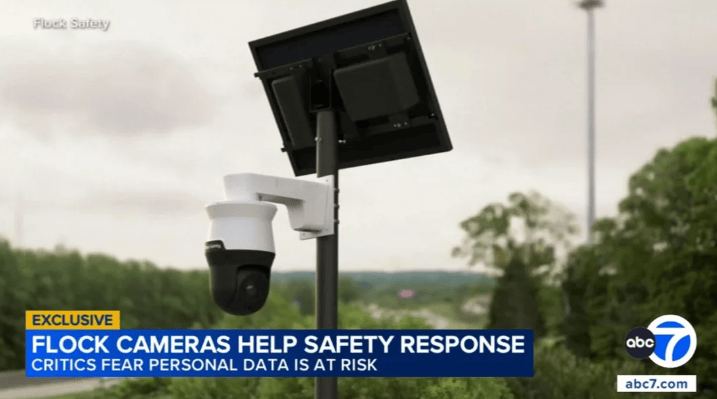
In this linked, longer memorandum that we’ve written for this audience, you’ll learn what Flock’s cameras can actually do and when each capability went live, you’ll learn how Chatrie changes the doctrinal math, and you’ll find a discovery checklist that makes the government prove (instead of assume) what its system was doing during your client’s charging period. Best of luck!

