

 Posted by
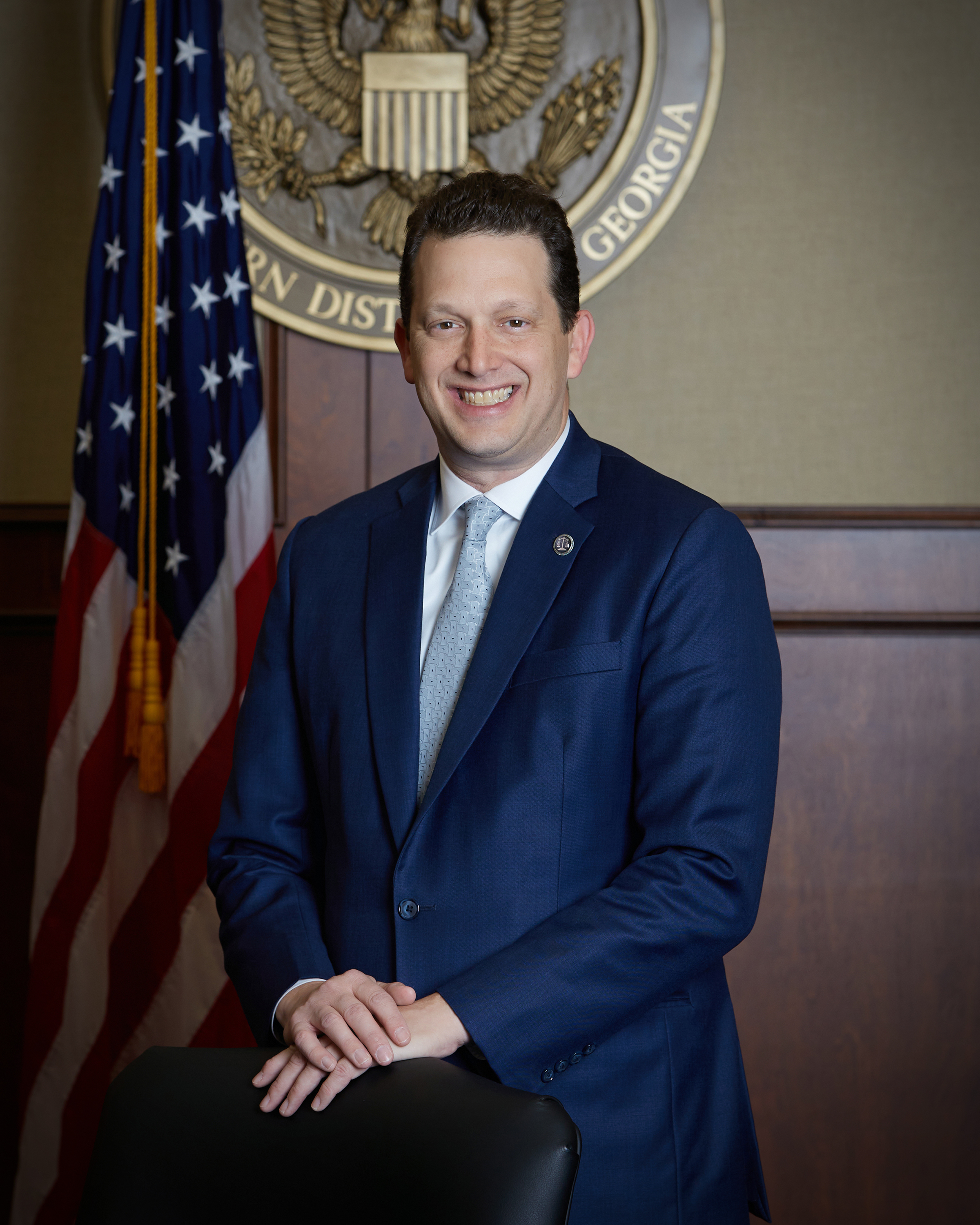
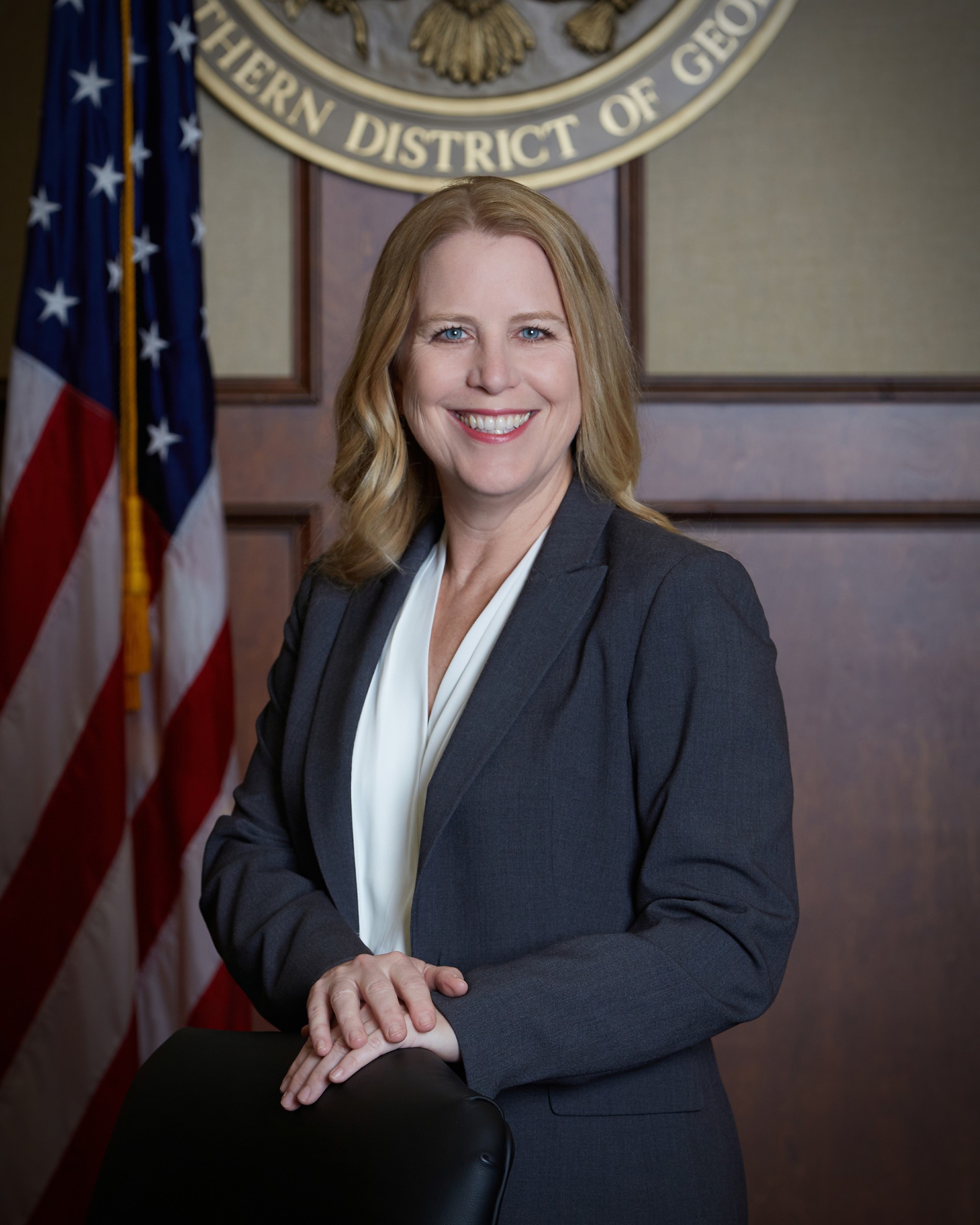
 [By Steven D. Grimberg, United States District Judge, and Catherine M. Salinas, United States Magistrate Judge]
There is a rumor circulating. Actually, there are several rumors. All of them are false! This post intends to correct them. But before we get to that, allow us a moment to catch everyone up.
Almost four years ago, in September 2022, the U.S. District Court for the Northern District of Georgia launched its first ever accountability court, the ATL Court. The ATL Court—the acronym conveniently represents our city but also stands for core principles of Accountability, Treatment, and Leadership—is a pre-sentencing diversionary program that allows eligible participants to avoid some of the most consequential aspects of criminal conduct including, most notably, prison time. Applicants who are accepted into the program must plead guilty pursuant to a binding plea agreement that is conditioned on, among other things, successful completion of the ATL Court program. The program generally lasts between 12 and 24 months and involves intense supervision by the Probation Office and the Court, all with the goal of addressing identified needs of the participant, such as substance use disorders, mental health challenges, domestic abuse, addictions, and trauma. Most successful ATL Court graduates are sentenced (per the terms of their binding plea agreement) to a 3-year probation sentence for a felony conviction. A misdemeanor-only conviction is a viable option for some candidates as well.
Admission into the ATL Court program is hard, and that is by design. The program is hard. It requires a lot of self-reflection and effort including, among other things, completing 12 Steps of MRT (Moral Reconation Therapy), consistently testing negative on drug screens, and attending Court sessions every other week. The applicant (generally through counsel) must complete an extensive written application and may have to interview for admission with Probation Officers. Most applicants, for one reason or another, are declined. But for those who are accepted and complete the ATL Court program, the benefits (and avoidance of negative collateral consequences) are immeasurable. To date, the ATL Court program has successfully graduated 16 participants.
So, that brings us to the false rumors that motivated us to write. The first and most damning untrue rumor is that the ATL Court program is dead. We will spare you the famous Mark Twain quote, but the ATL Court program is, in fact, very much alive and well. Like most rumors, there is often a kernel of truth that may have started the flame, and we cannot deny that here. Until recently, the program went through an extended dry spell—going more than a year without accepting a new participant. There are several reasons for that, but none amounts to a terminal condition. Do not fear. . . the ATL Court remains viable! We have learned from other longer-tenured accountability court programs across the country that it is common to experience ebbs and flows of participant volume over time. The data show that it is a mistake to adjust a program’s eligibility criteria to address a dry spell and an even worse mistake to pull the plug and declare it dead. To prove our point that the ATL Court remains viable, we share with you the good news that we have recently accepted two new participants.
The second false rumor, somewhat related to the first, is that the current leadership of the U.S. Attorney’s Office does not support the ATL Court program. This is not true. By way of background, the ATL Court team is comprised of stakeholder representatives from the Court, the Probation Office, the Federal Defender Program, and, importantly, the U.S. Attorney’s Office. The involvement of the U.S. Attorney’s Office is essential because of the program structure that we described earlier, with participants entering the program by pleading guilty pursuant to a binding plea agreement. That process is impossible without the support from the U.S. Attorney’s Office. The representatives of the U.S. Attorney’s Office who are part of our ATL Court team are dedicated professionals who are devoted to our mission. Given the resource constraints currently felt by U.S. Attorney’s Offices everywhere, it would make no sense for our district’s USAO leadership team to continue devoting precious AUSA time to a program that they did not support. We recently met with them to reiterate how much the Court values their participation in the ATL Court program, and we are optimistic that it will continue.
The third and final rumor that we will address—although this may be more fairly characterized as a feeling rather than a rumor—is that it is a waste of defense counsel’s time, or not a good use of their time, to apply for the ATL Court program. As we wrote earlier, the application is indeed extensive; done correctly, it can take many hours to complete. We get that, and we can understand why someone who spends considerable time completing an application that is ultimately denied may feel frustration. We are mindful of the time pressures that counsel are under, and we certainly encourage the use of professional discretion in determining which clients are realistically viable for the ATL Court program before applying (for example, always reference the program’s “presumed ineligible” category of offenses). But well written applications are a cornerstone to successful entry in the program. We have curated the application over time to ensure that it gives the stakeholder representatives all the information needed to make an informed decision. The ATL Court stakeholders spend a great deal of time reviewing and re-reviewing applications to reach consensus on a decision, and a well-written application can make all the difference.
Leaving all of that aside, and even assuming the application is ultimately unsuccessful, the process of writing an ATL Court application on behalf of a client adds value to the defense. For starters, it can serve as a useful tool for defense counsel to get to know their clients better. More tangibly, the candid and honest narrative that is developed through the application process can help the lawyer understand the “why” question concerning the client’s criminal conduct, and can be repackaged into a presentation to the line prosecutor in aid of negotiating a plea agreement, not to mention doubling as a fantastic draft of a sentencing memorandum if needed.
We hope that this helps to address some of your questions about the ATL Court. If you have more, please reach out to one of the incredible Federal Defender representatives on our team: Matthew Dodge, Millie Dunn, and Ross Brockway. You can also reference the Northern District of Georgia’s website for more information: www.gand.uscourts.gov, under the “Court Info,” then the “ATL Court” tab.
We look forward to receiving your future ATL Court applications!

